
 By Admin
  Apr 15, 2026
The Impact of Roofing on Your Home’s Energy Efficiency
-
 By Admin


Call Us Now: 504-285-2987


New Orleans homeowners frequently encounter roof leaks due to high humidity, heavy rainfall, and storm damage. Common causes include damaged flashing, cracked pipe boots, missing shingles, and clogged gutters. Immediate steps include catching water and using roof sealant, while long-term solutions require professional repairs, gutter cleaning, and regular inspections.
With 64 inches of rain falling on New Orleans every year, nearly 70 percent more than the national average of 38 inches, a roof that holds up is not optional. It is the single most important layer of protection your home has. When that layer fails, even a small opening lets water work its way into your attic, your walls, and your ceilings, often for weeks before the damage becomes visible.
Big Easy Roof Contractors is a locally owned roofing company serving New Orleans and the surrounding area. We offer free estimates and free inspections for homeowners who suspect a leak or want to confirm their roof is ready for the next storm season. schedule a free roof inspection or fill out our contact form to schedule your free roof inspection.
The most common signs of a roof leak are water stains on ceilings or upper walls, damp or discolored spots in the attic, missing or curling shingles, and granule buildup in gutters. In New Orleans, where rainfall is frequent and heavy, these signs can appear quickly and worsen fast if not addressed.
Yellow or brown water stains on interior ceilings are usually the first visible sign that water has breached the roof and traveled through the decking. The stain is almost never directly below the entry point. Water travels along rafters and roof decking before dripping through, which means the actual leak can be several feet away from where you see damage.
 Attics hold forensic evidence of a roof leak long before water reaches finished ceilings. Damp insulation, darkened wood framing, and visible mold growth are signs that water has been entering for some time. Checking your attic with a flashlight within 48 hours of a heavy rain event is one of the most reliable ways to catch a leak early.
Shingles that are visibly lifted, cracked, or missing are direct invitations for water intrusion. New Orleans storm seasons push wind speeds that can lift shingle corners and create exposed seams, and the city’s year-round heat and humidity accelerate the granule loss and material breakdown that leads to shingle failure.
Asphalt shingles lose surface granules as they age. Heavy granule deposits in gutters or at the base of downspouts indicate that shingles are deteriorating and losing their weatherproofing ability. A roof showing significant granule loss in New Orleans is a roof that will not hold through the next active storm season without attention.
The most common causes of roof leaks in New Orleans are damaged or missing flashing, worn pipe boots, clogged gutters, deteriorated shingles, and flat roof membrane failure. New Orleans’ combination of heavy rainfall, high humidity, and active hurricane season accelerates the wear on every one of these components.
Roof flashing is the metal sheeting installed at roof penetrations and transitions, including chimneys, skylights, valleys, and walls. It is the most common single cause of roof leaks. Flashing fails when it corrodes, lifts at the edges, or cracks from repeated thermal expansion and contraction. In New Orleans, where summer heat is intense and rainfall is frequent, flashing sealant can deteriorate within a few years without regular inspection.
Pipe boots are the rubber or metal collars that seal around plumbing vents and other roof penetrations. Rubber pipe boots exposed to New Orleans’ UV intensity and heat can crack or separate in as few as seven to fifteen years, creating a direct path for water to enter around the vent pipe. A failed pipe boot is one of the most commonly missed leak sources during a homeowner walkover inspection.
Gutters that are clogged with leaves, moss, or storm debris cause water to back up under the roof covering rather than draining away from the structure. In a heavy New Orleans downpour, backed-up gutters can push standing water under shingles within minutes. Keeping gutters clear and properly pitched toward downspouts is one of the simplest ways to reduce leak risk between professional inspections.
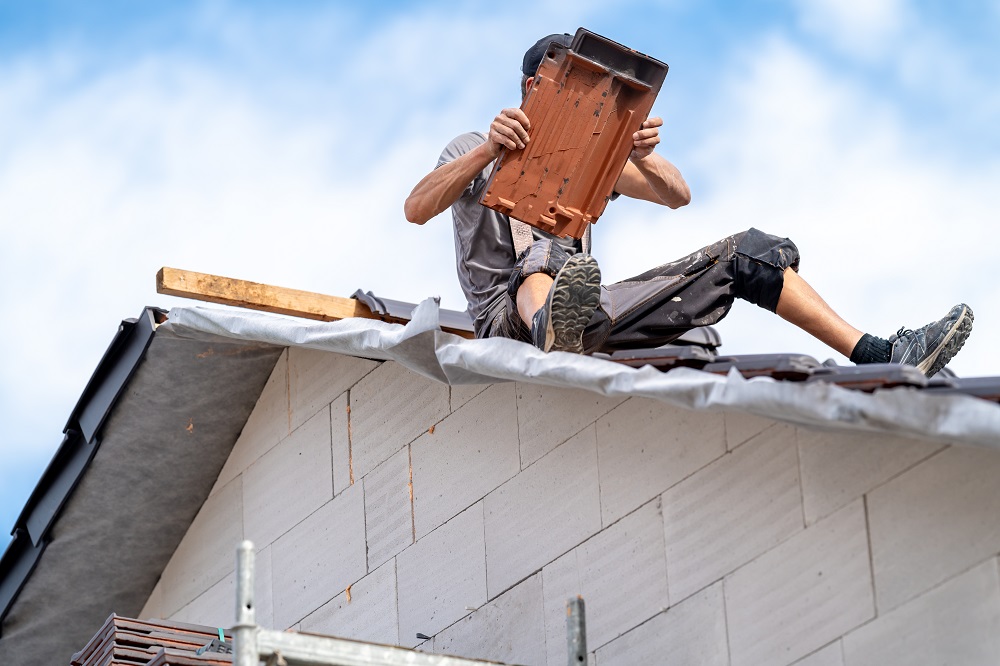 Missing shingles expose the underlayment and roof decking directly to rainfall. Even a single missing shingle after a storm creates an entry point for water that will work its way into the decking and framing with every subsequent rain event. Roof valleys, where two roof planes meet and water volume concentrates, are particularly vulnerable to shingle deterioration in high-rainfall environments like New Orleans.
Many New Orleans homes and commercial properties use flat or low-slope roofing systems. Flat roof membranes made from TPO, EPDM, modified bitumen, or built-up roofing materials are vulnerable to pooling water, UV degradation, and punctures from storm debris. Seam separation and membrane blistering are the most common failure modes on flat roofs in the Gulf Coast climate and require prompt attention before water finds its way into the roof assembly.
Finding the source of a roof leak requires starting above where damage is visible on the interior, tracing water pathways uphill and across the roof slope, and checking all penetrations, transitions, and low points before concluding the entry point. Water rarely enters directly above the stain it leaves.
Before going onto the roof, check the attic with a flashlight during or immediately after a rain event. Look for active dripping, wet insulation, or staining on the roof decking. Note the location of the wet spot relative to known roof features like vents, valleys, and the chimney. This gives a target area for the exterior inspection.
The majority of roof leaks trace back to a penetration, not to the field of the roof. Chimneys, plumbing vents, skylights, HVAC equipment curbs, and exhaust fans are all common entry points. Inspect the flashing and sealant at every penetration visible from the target area before assuming the leak comes from damaged shingles.
Roof valleys and any point where the roof changes pitch or direction concentrate water flow during heavy rain. These areas accumulate debris, hold standing water longer than the field of the roof and experience higher stress on flashing and underlayment. Any discoloration or debris accumulation in a roof valley warrants close inspection.
Roof leak repairs in New Orleans depend on the source and severity of the damage. Minor repairs such as replacing a single flashing section, sealing a pipe boot, or replacing a few shingles can typically be completed in a single visit. More extensive repairs involving damaged decking, membrane replacement, or widespread shingle loss require a full assessment before work begins.
Damaged flashing is removed and replaced with new metal flashing properly integrated into the surrounding roofing material. Sealant at chimney bases, skylight frames, and wall transitions is cleared and reapplied. Flashing repair is one of the most cost-effective repairs available because it addresses a high-probability leak source at a fraction of the cost of a full roof replacement.
A cracked or deteriorated pipe boot is removed and replaced with a new rubber or metal boot that is properly sealed at both the pipe and the surrounding shingles. This repair is straightforward and typically completed in under an hour by a licensed roofing technician.
Missing or damaged shingles are replaced with matching material and properly nailed and sealed. In cases where storm damage has affected a large section of the roof, a roofing contractor will assess whether targeted repair or full residential roof replacement is the more cost-effective path based on the age and overall condition of the existing roof.
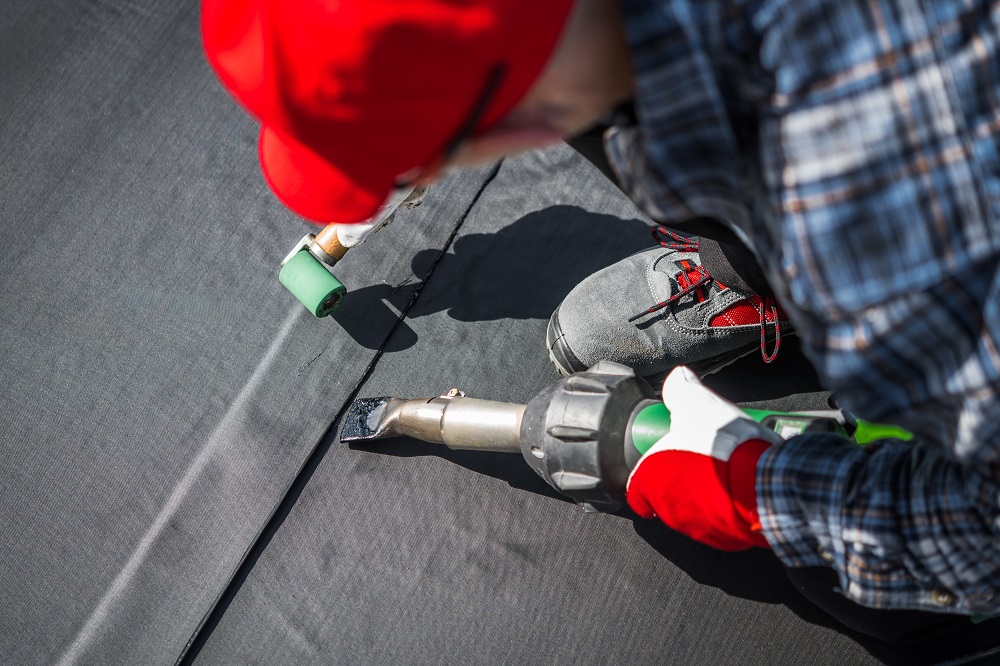
Flat roof repairs depend on the membrane type. Seam separation on a TPO or EPDM roof is resealed or patched with compatible membrane material. Blisters and bubbles in modified bitumen are cut open, dried, and resealed. In cases of widespread membrane failure or significant storm damage, commercial roof replacement may be recommended over piecemeal patching.
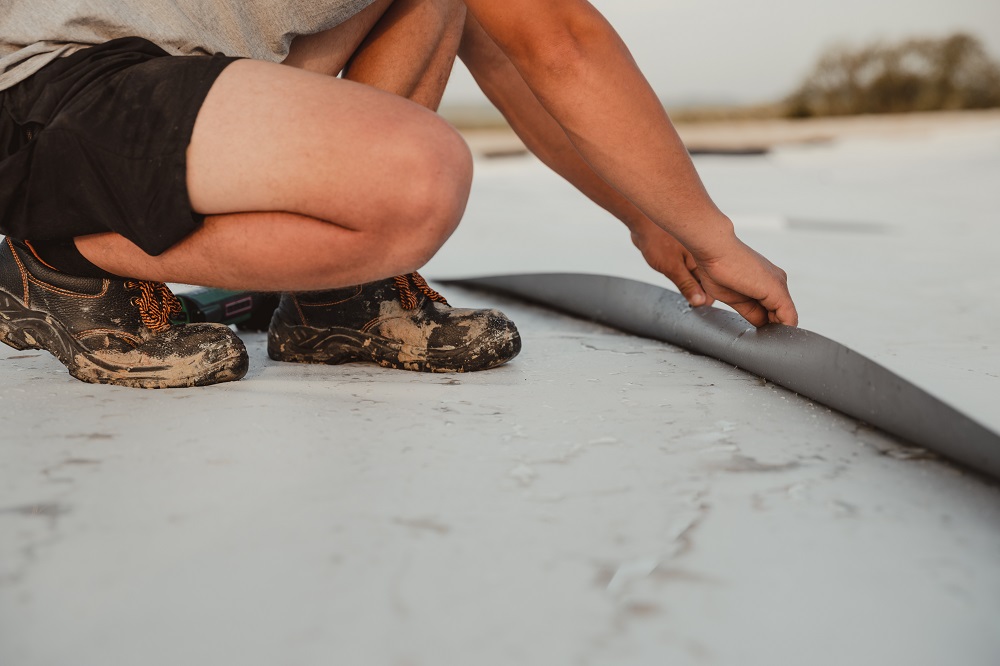 An ignored roof leak in New Orleans will progress from a minor repair into a major structural problem. The city’s heat, humidity, and rainfall create conditions where mold can establish within 24 to 48 hours of sustained moisture exposure, and roof decking can begin to rot within weeks of a persistent leak.
Water that enters through a roof penetration does not stay at the entry point. It spreads along the path of least resistance through insulation, across framing, and into wall cavities. By the time a water stain appears on an interior ceiling, the water has already traveled through multiple building components. The longer a leak is active, the more building material it contaminates.
Addressing a leak at the residential roof repair stage, before decking, framing, or interior finishes are affected, is always the least expensive option. Waiting until structural components are compromised turns a repair job into a full roof and interior remediation project.
New Orleans roofs face conditions that test every component year-round. Regular inspections after storm events, prompt attention to visible damage, and professional assessment of leak sources are the most effective ways to extend the life of your roof and avoid the costs of emergency repairs.
Big Easy Roof Contractors provides free estimates and free inspections for New Orleans homeowners and businesses. Our team is familiar with the roof types, weather conditions, and leak patterns common to this area, and we will give you a straight assessment of what your roof needs.
Call us today to schedule your free roof inspection today.
Look for water stains on ceilings or upper walls, damp spots in the attic, granule buildup in gutters, and visibly missing or curling shingles. In New Orleans, where rain is frequent, even a small discolored spot on the ceiling after a storm should be inspected promptly.
The most common causes are failed flashing at roof penetrations, cracked pipe boots, clogged gutters causing water backup, missing or damaged shingles, and flat roof membrane deterioration. New Orleans’ heat, humidity, and storm frequency accelerate wear on all of these components.
Start in the attic with a flashlight during or after a rain event and trace wet spots uphill toward the ridge. Check all penetrations first since most leaks originate at flashing, pipe boots, or skylights rather than in the field of the roof. A professional inspector can identify the source when tracing is not conclusive.
Yes. Most roof leaks are caused by isolated failures at specific points and can be repaired without full replacement. Flashing repair, pipe boot replacement, and shingle patching are all targeted repairs. Full replacement is recommended when the roof is at the end of its serviceable life or when damage is widespread across the roof surface.
Minor repairs such as flashing replacement or pipe boot installation typically cost a few hundred dollars. Larger repairs involving decking damage, multiple shingle sections, or flat roof membrane work vary based on the scope of damage. Big Easy Roof Contractors provides free estimates so you know the cost before any work begins.
A roof leak should be addressed as soon as it is discovered. In New Orleans’ climate, mold can develop within 24 to 48 hours of sustained moisture exposure, and roof decking can begin to soften and rot within weeks. What starts as a targeted repair becomes a much larger project the longer it goes unaddressed.
Yes. Water spreads along framing, insulation, and wall cavities rather than dripping straight down, contaminating more building material with each rain event. A leak that is a minor repair today can become a full decking replacement and mold remediation project within a single storm season if ignored.
Yes. Big Easy Roof Contractors offers free roof inspections and free estimates for homeowners and businesses throughout New Orleans and the surrounding area. Call 504-285-2987 or fill out the contact form at bigeasyroofcontractors.com to schedule your inspection.


